

Canada resumes deportations to UAE, Kuwait, Bahrain and Qatar; here’s what changes
Appeals and risk assessments remain available before enforced removal
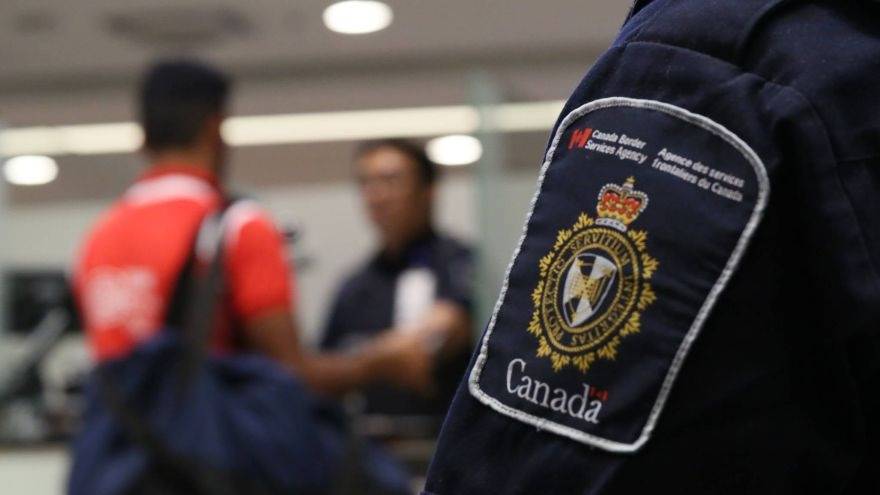
OTTAWA – Canada has resumed deportations to the UAE, Kuwait, Bahrain and Qatar after lifting a temporary suspension introduced amid heightened security concerns in the Middle East.
The Canada Border Services Agency (CBSA) imposed an Administrative Deferral of Removals (ADR) on March 24, 2026, citing volatile and unpredictable conditions affecting the four countries. The measure has now been lifted, allowing enforceable removal orders to proceed.
The change applies to people who are inadmissible to Canada and have an enforceable removal order after exhausting the legal avenues available to them. An ADR is a temporary humanitarian measure that can defer removals when conditions in a destination country create broad risks to the civilian population.
The #CBSA has lifted the temporary measure to defer removals in situations of civilian risks for Kuwait, Bahrain, the UAE and Qatar. Removals of individuals inadmissible to Canada will resume immediately.
— Canada Border Services Agency (@CanBorder) September 23, 2026
More: https://t.co/XhpjEjkTJ2 pic.twitter.com/3yslsiRId9
Three types of orders
Canada has three main types of removal orders, each carrying different requirements.
A departure order is the least severe. The person must leave Canada within 30 days after the order becomes enforceable and confirm their departure with the CBSA. If they comply, they may return in the future if they meet Canada's entry requirements. Failure to confirm departure within the required period causes the order to become a deportation order.
An exclusion order requires immediate departure and normally prevents the individual from returning to Canada for one year. Where the order results from misrepresentation, the exclusion period is five years. An Authorization to Return to Canada (ARC) is required to return before the exclusion period ends.
A deportation order requires immediate departure and creates a permanent bar on returning to Canada unless an ARC is obtained. Returning without the required authorisation can result in another deportation order.
Legal process
The resumption does not remove an individual's right to due process. People facing removal may have access to appeals before the Immigration and Refugee Board and, where applicable, judicial review through Canada's Federal Court.
Some individuals may also qualify for a Pre-Removal Risk Assessment (PRRA), which considers whether removal could expose them to risks such as persecution, torture or cruel and unusual treatment or punishment.
Once available legal avenues that can delay removal have been exhausted, the CBSA can proceed with enforcement. The agency says it has a legal obligation to remove foreign nationals with enforceable removal orders as quickly as possible.
Enforcement steps
Before removal, individuals can be scheduled for an interview with a CBSA officer to identify any impediments and complete arrangements. Failure to attend a required interview or removal date can lead to a Canada-wide arrest warrant and detention until removal.
Individuals are generally responsible for their own travel costs. If they cannot or will not pay, the CBSA can cover the expense and recover the costs if they later seek to return to Canada.
The CBSA says it considers conditions in destination countries when deciding whether to defer or suspend removals. ADRs can be lifted when conditions stabilise, allowing removals involving enforceable orders to resume.